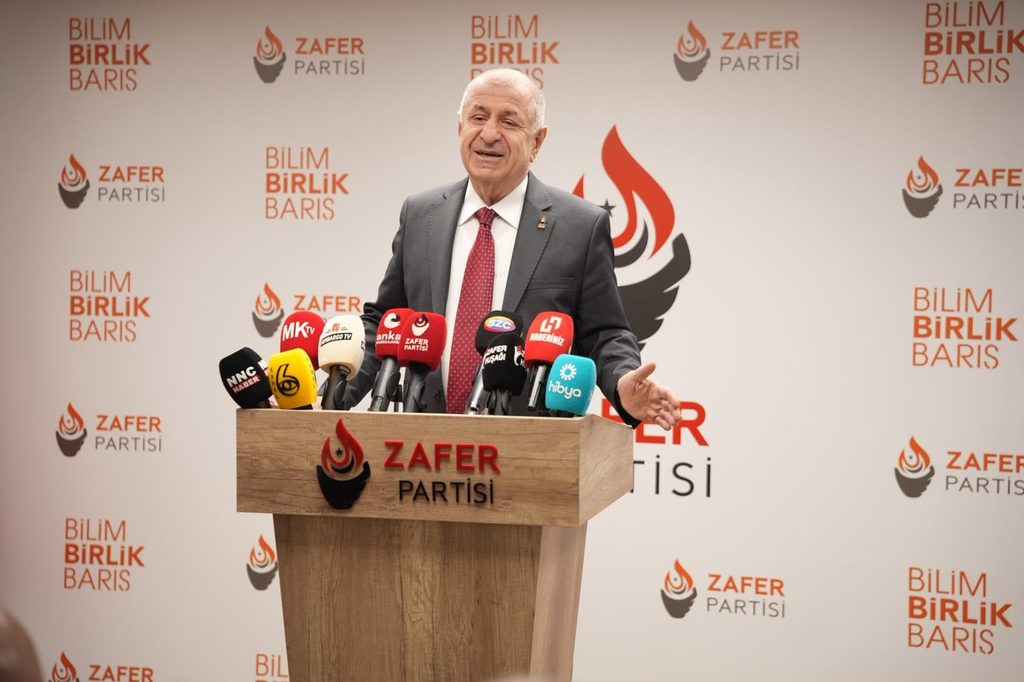
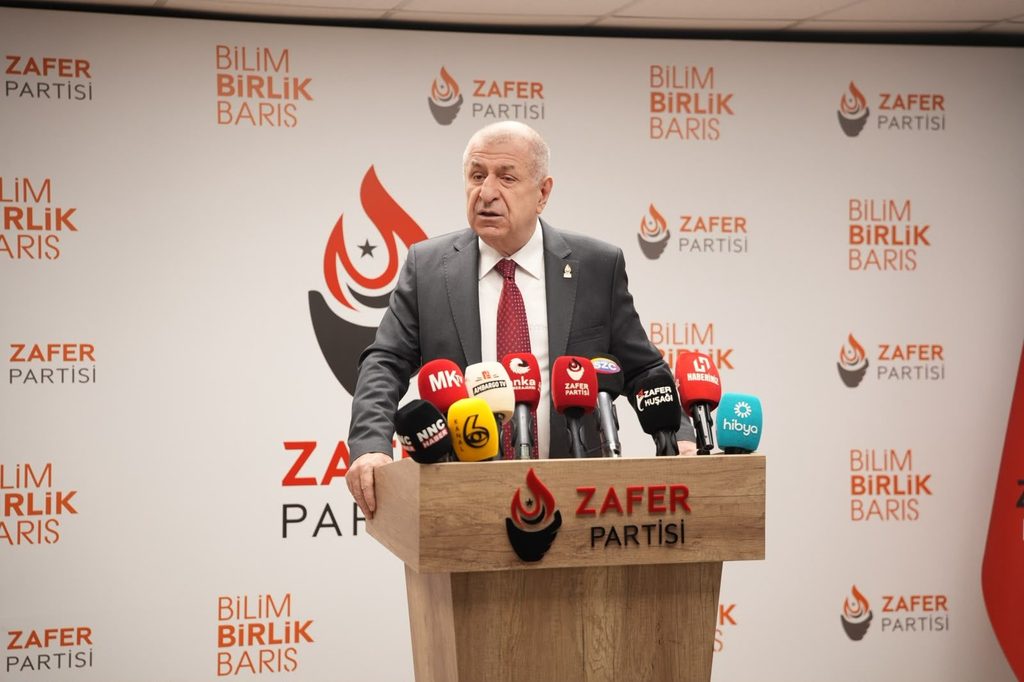
Zafer Partisi Genel Başkanı Prof. Dr. Ümit Özdağ, son dönemde gündeme gelen fon tartışmalarının finansal piyasalar ve yatırımcı algısı üzerindeki olası etkilerine dikkat çekti. Ekonomik süreçlerin şeffaflık ve hesap verebilirlik ilkeleri çerçevesinde yürütülmesi gerektiğini savunan Özdağ, sermaye piyasalarındaki güven ortamının korunmasının önemini vurguladı.
Bir ekonomik sürecin ve piyasa hareketlerinin gerçek maliyeti yalnızca yatırım hesaplarındaki dalgalanmalarla mı ölçülür? Yoksa kurumsal güven, şirket değerlemeleri ve ülkenin genel yatırım iklimi de bu değerlendirmelerin bir parçası mıdır? Zafer Partisi Genel Başkanı Prof. Dr. Ümit Özdağ, düzenlediği basın toplantısında bu soruları gündeme taşıyarak kendi ekibinin derlediği verileri kamuoyuyla paylaştı.
Özdağ’ın paylaştığı verilere ve iddialara göre, BIST 100 endeksinde yaşanan belirli dönemlerdeki geri çekilmelerle birlikte, borsada işlem gören şirketlerin toplam piyasa değerlerinde milyar dolarlık hacim kayıpları oluştu ve çok sayıda tasarruf sahibinin bu süreçlerden etkilendiği öne sürüldü. Ancak ekonomi uzmanları, borsadaki değer değişimlerinin küresel konjonktür, makroekonomik dengeler ve yatırımcı tercihleri gibi çok yönlü nedenleri olduğunu, dalgalanmaların tek bir gerekçeye dayandırılamayacağını belirtiyor.
Finansal Piyasalarda Güvenin ve Hukuki Öngörülebilirliğin Önemi
Özdağ’ın değerlendirmelerinde öne çıkan temel başlık, finansal piyasalarda kurumsal güvenin ve şeffaflığın sürdürülebilir kılınması oldu. Yatırımcıların haklarını gözeten, işlemlerin mevzuata uygunluğunu şeffaf biçimde denetleyen ve hukuki belirsizlikleri asgariye indiren bir yapının, ekonomik istikrarın temel taşlarından biri olduğu ifade ediliyor. Piyasalarda yaşanan dönemsel dalgalanmalar, şirketlerin finansman kaynaklarına erişiminden yeni yatırımlara ve uluslararası yatırım algısına kadar geniş bir yelpazeyi etkileme potansiyeline sahiptir.
Konuşmasında uluslararası yatırım ve endeks kuruluşu MSCI’nın Türkiye’ye yönelik piyasa statüsü değerlendirmelerine de değinen Özdağ; hukukun üstünlüğü, şeffaflık ve denetim mekanizmalarının etkinliğinin altını çizdi. Bu yaklaşım, ekonomik güvenin yalnızca finansal göstergelerle değil, kurumların düzenleyici kuralları net ve öngörülebilir biçimde uygulamasıyla da yakından ilişkili olduğunu gösteriyor.
Gündeme Getirilen Çözüm Önerileri
Sermaye piyasalarına yönelik iddiaların ve süreçlerin sağlıklı bir şekilde analiz edilmesi için şu kurumsal yaklaşımlar öne çıkıyor:
Şeffaf ve Objektif İnceleme: Piyasa hareketlerine ve işlemlere yönelik her türlü iddianın, ilgili düzenleyici kurumlar tarafından mevzuat çerçevesinde titizlikle incelenmesi ve doğrulanmış sonuçların kamuoyuyla paylaşılması kurumsal güveni artırır.
Etkin Piyasa Gözetimi: Sermaye piyasalarındaki denetim ve gözetim mekanizmalarının güvence altına alınması, olası mevzuat ihlallerine karşı hukuki süreçlerin şeffafça işletilmesi önem arz etmektedir.
Yatırımcı Haklarının Korunması: Tasarruf sahiplerinin başvuru, şikayet ve inceleme süreçlerinin erişilebilir olması, haklılığı hukuken tespit edilen yatırımcılar için yasal çözüm yollarının net olarak yürütülmesi sistemin saygınlığını korur.
Kurumsal Hesap Verebilirlik ve Öngörülebilirlik: İlgili ekonomi yönetiminin ve kamu kurumlarının aldıkları kararları denetlenebilir ve anlaşılır verilerle desteklemesi; hukuki güvenliği, istikrarlı düzenlemeleri ve üretimi teşvik eden uzun vadeli politikaları güçlendirecektir.
Finansal piyasaların sağlıklı işleyişine yönelik bu tür tartışmalar, yalnızca rakamsal kayıp ve kazançların ötesinde, ekonomik yönetimin şeffaflığı ve piyasalarda güvenin nasıl kalıcı hale getirileceği sorusunu da beraberinde getirmektedir. Güçlü bir ekonomik yapının inşası; sadece büyüme verileriyle değil, vatandaşların tasarruflarını koruyan kurumların etkinliği, güven veren bir hukuk düzeni ve hesap verebilir bir yönetim anlayışıyla mümkündür.
yilmazparlar@yahoo.com
Market Dynamics and Financial Governance: Focus on Transparency and Investor Confidence
Zafer Party Leader Prof. Dr. Ümit Özdağ has raised important questions regarding recent fund discussions and their potential impact on Türkiye’s financial markets, emphasizing the necessity of transparency and accountability in economic governance.
Can the broader effects of market fluctuations be evaluated solely by account balances? Or should institutional trust, corporate valuations, and a nation's investment reputation also be factored into the equation? Speaking at a press conference, Özdağ shared findings compiled by his party, highlighting the correlation between market transparency and investor sentiment.
According to data cited by Özdağ, recent downward movements in the BIST 100 index coincided with significant changes in total market capitalization, potentially impacting thousands of individual investors. However, financial analysts note that stock market movements are driven by multifaceted variables—including global market shifts, macroeconomic policies, and investor behavior—meaning that equity fluctuations cannot be attributed to a single cause without independent verification.
The Role of Regulatory Predictability and Trust
A central theme in Özdağ’s statements was the maintenance of institutional confidence within financial systems. Ensuring a framework that safeguards investor rights, reviews market transactions according to regulatory standards, and minimizes legal ambiguity is widely considered essential for long-term economic stability. Broad market trends can influence corporate financing options, capital investments, and international perceptions of the local investment climate.
Özdağ also referenced assessments by international index provider MSCI regarding market classifications, underscoring the importance of regulatory oversight and the rule of law. This framework highlights that financial confidence depends not only on numeric performance indicators but also on predictable, institution-led governance.
Proposed Frameworks for Market Stability
To address concerns regarding capital market integrity, standard financial practices suggest several key institutional steps:
Objective Investigations: Any allegations concerning trading irregularities should be assessed impartially by regulatory bodies, ensuring that verified facts are presented transparently to the public.
Effective Supervision: Financial authorities must continuously strengthen oversight mechanisms and apply standard legal procedures if regulatory violations are established.
Investor Safeguards: Dispute resolution and complaints should be handled through standardized, accessible channels to maintain legal certainty for all market participants.
Institutional Accountability: Relevant public institutions can reinforce market stability by clarifying regulatory actions through auditable, public data, supporting long-term, productive investments.
Ultimately, discussions regarding market volatility underline a broader question of financial governance: how to establish enduring trust in capital markets. Experts agree that a resilient economic system relies not just on baseline growth figures, but on effective regulatory safeguards, legal certainty, and open administrative accountability.
Türkiye–Azerbaycan Kardeşliği Ekonomik Güçle Büyüyor
Hedef “Ekonomik Kızılelma”
Ahmet Ortatepe’nin öncülüğünde Dünya Türk Ticaret Platformu, ortak ticaret, yatırım ve üretim vizyonuyla Türk dünyasının ekonomik geleceğine dikkat çekti
İki devlet arasındaki güçlü ilişkilerin kalıcı refaha dönüşmesi, yalnızca diplomatik dostlukla değil; karşılıklı ticaret, ortak yatırımlar, birlikte üretim ve sürdürülebilir ekonomik projelerle mümkün.
Türkiye ile Azerbaycan’ın stratejik iş birliğini güçlendiren bu anlayış, Türk dünyasının uluslararası ticarette daha etkin bir konuma ulaşması için önemli fırsatlar sunuyor.
“İki devlet, bir millet” anlayışını ekonomik ortaklıklarla pekiştirmeyi hedefleyen Dünya Türk Ticaret Platformu, kardeşliğin üretime, dostluğun yatırıma ve ortak değerlerin somut ekonomik kazanımlara dönüşmesi yönünde dikkat çeken bir vizyon ortaya koyuyor.
Dünya Türk Ticaret Platformu’ndan Ekonomik Kızılelma vizyonu
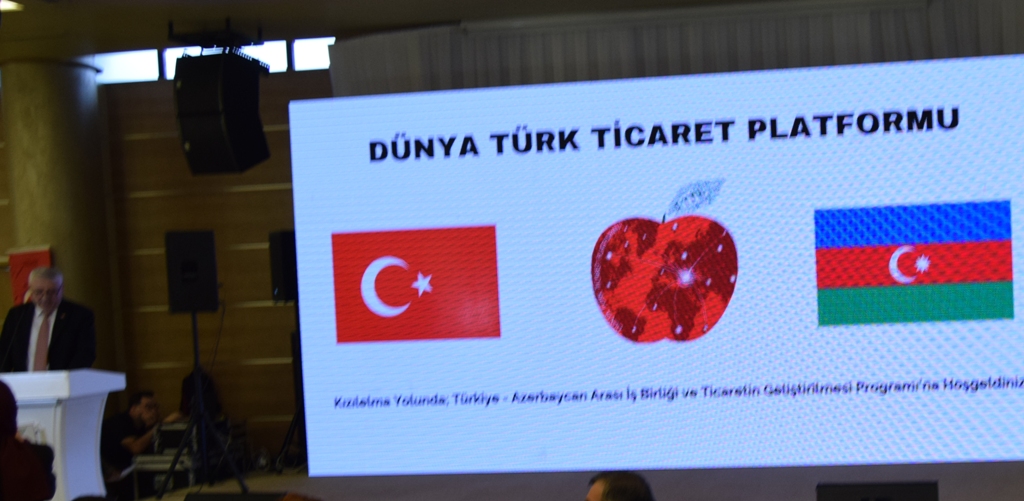
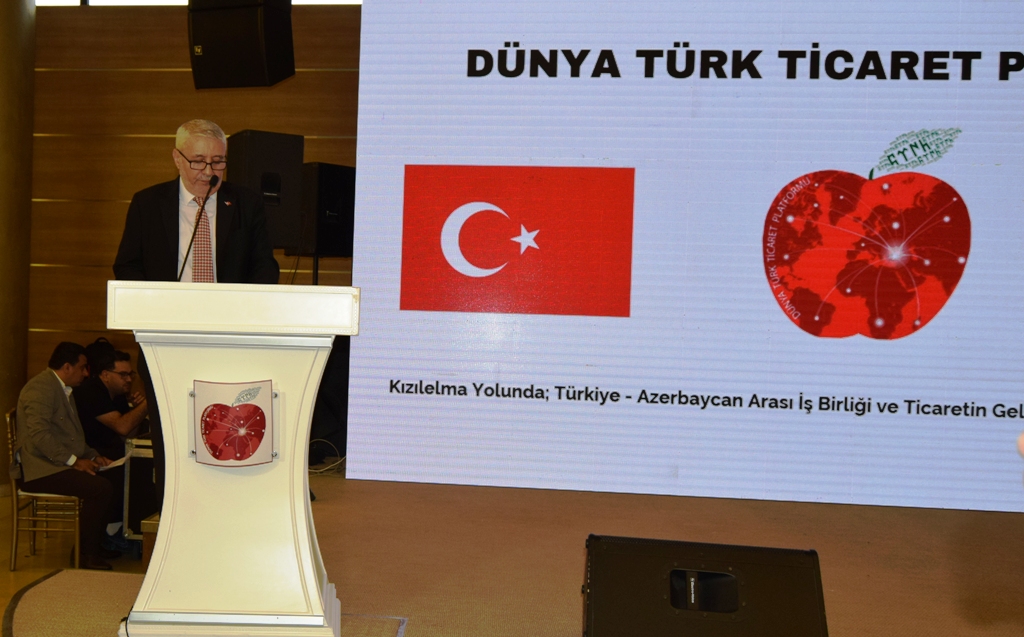
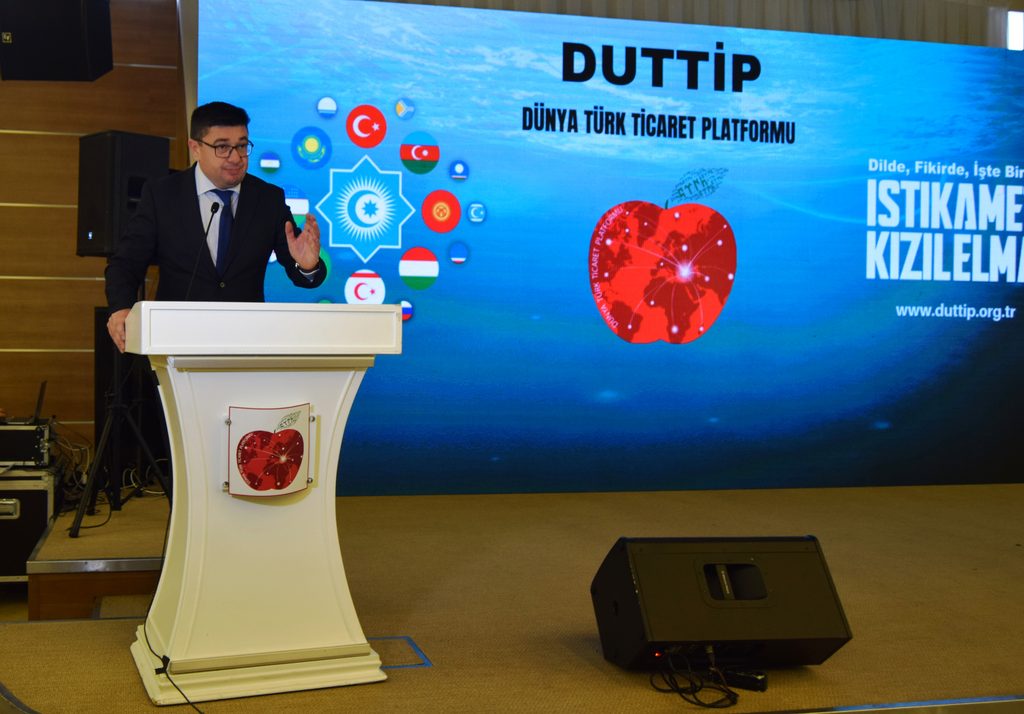
Dünya Türk Ticaret Platformu (DUTTİP) tarafından 17 Ekim 2026 tarihinde İstanbul Zeytinburnu’ndaki 1453 Tesisleri’nde düzenlenen “Kızılelma Yolunda Türkiye–Azerbaycan Arası İş Birliği ve Ticaretin Geliştirilmesi – Azerbaycan Yatırım Fırsatları” programı, iki ülke arasındaki ekonomik ilişkilerin geliştirilmesine odaklandı.
Dünya Türk Ticaret Platformu Genel Başkanı Ahmet Ortatepe’nin ev sahipliğinde gerçekleştirilen programda; diplomatik temsilciler, kamu yöneticileri ve iş dünyasının temsilcileri bir araya gelerek Türkiye ile Azerbaycan arasındaki ticaret ve yatırım olanaklarını değerlendirdi.
Ortatepe’nin konuşmasında öne çıkan “İstikamet: Ekonomik Kızılelma” yaklaşımı, Türk dünyasının ortak tarih ve kültür bağlarını ekonomik iş birliğiyle güçlendirme hedefini ortaya koydu.
Ortatepe, kardeşlik bağlarının yalnızca duygusal ve tarihî bir miras olarak kalmaması gerektiğini vurgulayarak, ortak üretim, yatırım, bilim ve teknoloji alanlarında daha güçlü bir ekonomik birlikteliğin önemine dikkat çekti.
Ahmet Ortatepe, “Kardeşliğimizi ticarete, dostluğumuzu yatırıma dönüştürmeliyiz”
Dünya Türk Ticaret Platformu Genel Başkanı Ahmet Ortatepe, Türkiye ile Azerbaycan arasındaki ilişkilerin ekonomik boyutunun güçlendirilmesinin Türk dünyasının geleceği açısından taşıdığı önemi vurguladı.
Ortatepe’nin ortaya koyduğu vizyonda hedef; birlikte üreten, birlikte yatırım yapan, ticaretini geliştiren ve ekonomik kazanımlarını ortak kalkınmaya dönüştüren güçlü bir Türk dünyası oluşturmak.
“Sınırları aşan ticaret, ortak yatırımlar, güçlü üretim, bilim ve teknolojide ilerleme” anlayışıyla şekillenen Ekonomik Kızılelma hedefi, ülkeler arasındaki kardeşlik ilişkilerinin ekonomik bağımsızlık ve refahı destekleyen somut projelerle güçlendirilmesini amaçlıyor.
İş dünyasının temsilcilerini, kamu kurumlarını ve diplomatik çevreleri aynı platformda buluşturan bu tür organizasyonlar, yeni iş bağlantılarının kurulması ve yatırım fırsatlarının değerlendirilmesi bakımından da önem taşıyor.
Ahmet Ortatepe’nin öncülük ettiği bu girişim, ticareti yalnızca mal alım satımından ibaret görmeyen; güven, ortak üretim, teknoloji paylaşımı ve uzun vadeli ekonomik ortaklıkları merkeze alan bir yaklaşımı temsil ediyor.
Zamin Aliyev, “Türkiye ile Azerbaycan ilişkileri dünyaya örnek”
Programda konuşan Azerbaycan Cumhuriyeti İstanbul Başkonsolosu Zamin Aliyev, iki ülke arasındaki ilişkilerin tarihî bağlar, karşılıklı güven ve stratejik ortaklık temelinde geliştiğini ifade etti.
Aliyev, Azerbaycan ile Türkiye arasındaki ilişkilerin 15 Haziran 2021 tarihli Şuşa Beyannamesi ile müttefiklik düzeyine yükseldiğini hatırlatarak ekonomik iş birliğinin de bu güçlü zeminde ilerlemesinin önemini vurguladı.
Azerbaycan’ın Türkiye’ye yönelik yatırımlarına ve Türk şirketlerinin Azerbaycan’daki faaliyetlerine değinen Aliyev, konuşmasında Azerbaycan’ın Türkiye’ye bugüne kadar 21 milyar dolar yatırım yaptığını belirtti. Bu yatırımlarda Azerbaycan Devlet Petrol Şirketi SOCAR’ın önemli bir rol üstlendiğine dikkat çekti.
Aliyev ayrıca, Azerbaycan’ın yeniden imar ve kalkınma çalışmalarının Türk iş dünyası için yeni iş birliği olanakları oluşturduğunu ifade etti.
Doğu ile Batı arasındaki ticaret ve ulaşım bağlantılarında Azerbaycan’ın artan önemine işaret eden Aliyev, ortak projelerin iki ülkenin ekonomik ilişkilerini daha ileriye taşıyabileceğini kaydetti.
Dünya Türk Ticaret Platformu’na ve Azerbaycan Ticaret Temsilciliği’ne teşekkür eden Aliyev, Türk iş dünyasına açık bir iş birliği yaklaşımı sergiledi.
Tamerlan Taghiyev’den Azerbaycan’ın yatırım fırsatlarına ilişkin değerlendirmeler
Azerbaycan Cumhuriyeti Türkiye Ticaret Temsilcisi Tamerlan Taghiyev de programda Türkiye ile Azerbaycan arasındaki ticari iş birliği ve yatırım fırsatları hakkında bilgi verdi.
Azerbaycan’ın ekonomik potansiyelinin Türk yatırımcılarla buluşturulması, şirketler arasında doğrudan iletişim kurulması ve yeni ortaklıkların geliştirilmesi, programın temel amaçları arasında yer aldı.
Etkinlik kapsamında Azerbaycan’ı tanıtan bir video gösterimi de gerçekleştirildi.
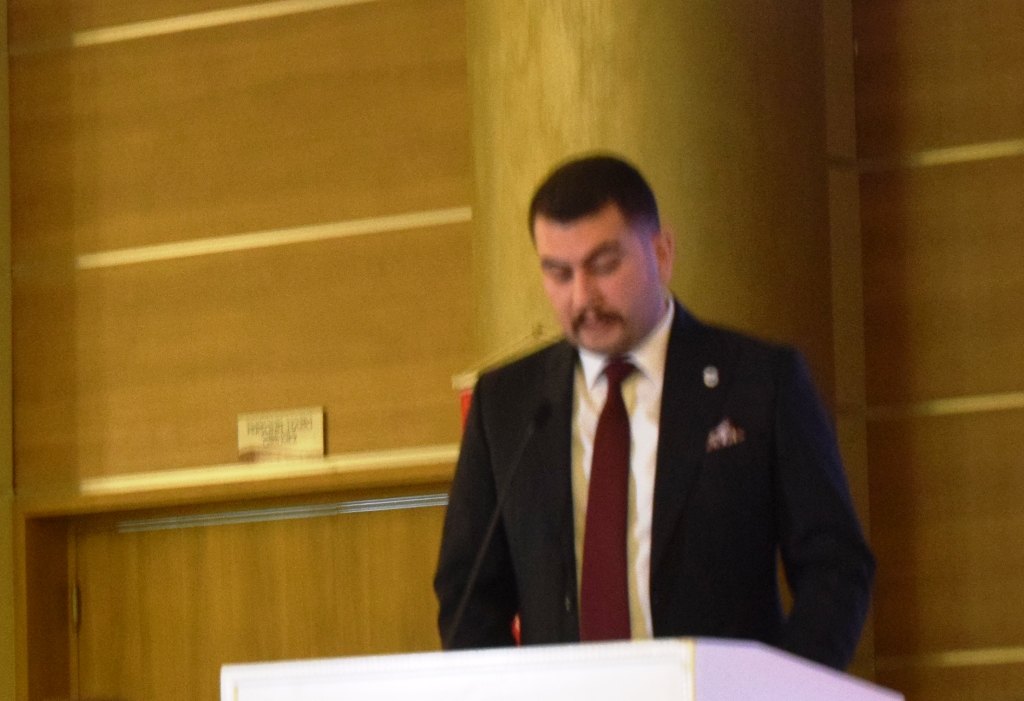
Programa Azerbaycan Cumhuriyeti İstanbul Başkonsolosu Zamin Aliyev, Türkiye Ticaret Temsilcisi Tamerlan Taghiyev, Ticaret Temsilciliği Başdanışmanı Cavit Abdullayev, Cumhurbaşkanı Başdanışmanı M. Bahaddin Cebeci, İstanbul Valiliği İdare ve Denetim İl Müdürü Osman Avcı, Rusya Federasyonu Ticaret ve Sanayi Odası Türkiye Temsilcisi Vladimir Emmer ve çeşitli kurumların temsilcileri katıldı. Zeytinburnu Kaymakamı Adem Uslu da programda konuşma yaptı.
Karabağ’dan ekonomik kalkınmaya uzanan yeni dönem
Ahmet Ortatepe, konuşmasında Azerbaycan’ın Karabağ Zaferi’nin ardından üretim, yatırım, ticaret ve ekonomik kalkınma alanlarında atılacak adımların önemine dikkat çekti.
17 Ekim 2020’de Fuzuli’nin kontrolünün Azerbaycan’a geçmesinin yıl dönümüne de değinen Ortatepe, Karabağ’da kazanılan askerî başarının güçlü bir ekonomi ve müreffeh bir gelecek hedefiyle desteklenmesi gerektiğini ifade etti.
Bu yaklaşım, ekonomik kalkınmanın yalnızca ulusal refah açısından değil, bölgesel istikrar ve uzun vadeli iş birliği bakımından da önem taşıdığını ortaya koyuyor.
Türkiye ile Azerbaycan arasında geliştirilecek ortak üretim modelleri, yeni yatırım girişimleri ve ticari bağlantılar; şirketler için yeni pazarlara erişim, istihdamın desteklenmesi ve ekonomik ilişkilerin çeşitlendirilmesi açısından fırsatlar oluşturabilir.
Tuğba Doğan’dan Türk dünyasını simgeleyen özel tasarımlar
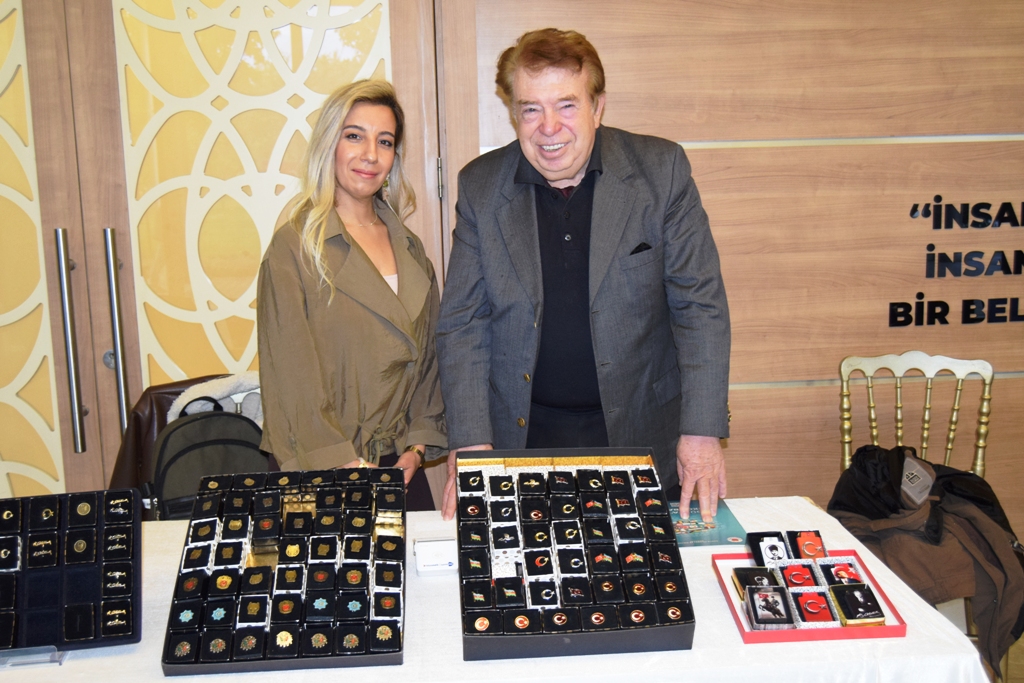
Program sonrasında gerçekleştirdiğimiz söyleşide, takı tasarımcısı ve rozet, bröve, madalya üreticisi Tuğba Doğan, çalışmalarını ve Türk dünyasına yönelik tasarım anlayışını anlattı.
Doğan, Türk dünyasındaki ülkeleri ve ortak değerleri simgeleyen bayrak rozetleri, bröveler ve madalyalar hazırladığını belirtti.
Küçük bir rozet ya da özel tasarlanmış bir madalya, kimi zaman bir ülkenin bayrağını, kimi zaman ortak bir hatırayı, kurumsal aidiyeti veya kültürel bir bağı temsil edebiliyor. Bu yönüyle Tuğba Doğan’ın çalışmaları, tasarım ve el işçiliğini sembolik değeri yüksek ürünlerle buluşturan bir üretim alanına işaret ediyor.
Türk dünyasının farklı ülkelerini ve kurumlarını temsil eden ürünler hazırlamak, ayrıntılara özen gösteren tasarım anlayışının yanı sıra kültürel sembollerin doğru ve anlamlı biçimde işlenmesini de gerektiriyor.
Tuğba Doğan’ın bu alandaki çalışmaları, Türk dünyasının ortak simgelerini yaşatmaya yönelik üretimin ve tasarımın önemini ortaya koyuyor. Türkiye ile Azerbaycan arasındaki ekonomik iş birliğinin ele alındığı bir programın ardından bu tür girişimlerin gündeme gelmesi, ticaretin yalnızca büyük ölçekli yatırımlardan ibaret olmadığını; tasarım, zanaat ve özel üretim alanlarında da farklı iş fırsatları bulunduğunu hatırlatıyor.
Ortak hedef; Birlikte üretmek, birlikte kazanmak
Dünya Türk Ticaret Platformu’nun düzenlediği Türkiye–Azerbaycan programı, iki ülke arasındaki güçlü ilişkilerin ticaret ve yatırım alanlarında daha da geliştirilmesi hedefini ön plana çıkardı.
Genel Başkan Ahmet Ortatepe’nin Ekonomik Kızılelma vizyonu, ortak tarih ve kültür bağlarının ekonomik kalkınmayla desteklenmesini esas alıyor. Zamin Aliyev’in değerlendirmeleri Azerbaycan’ın yatırım potansiyeline, Tamerlan Taghiyev’in katkıları ise ticari iş birliği fırsatlarına dikkat çekti.
Tuğba Doğan gibi tasarım ve üretim alanında faaliyet gösteren isimlerin çalışmaları da ekonomik ilişkilerin farklı sektörlerde gelişebileceğini gösteriyor.
Türkiye ile Azerbaycan arasındaki kardeşliğin geleceği, ortak projelerle, üretimle, ticaretle ve karşılıklı yatırımlarla daha da güçlenebilir. Dünya Türk Ticaret Platformu’nun ortaya koyduğu Ekonomik Kızılelma hedefi de bu anlayışı tek bir ortak vizyonda buluşturuyor: Birlikte üretmek, birlikte kazanmak ve daha güçlü bir ekonomik gelecek inşa etmek.
yilmazparlar@yahoo.com
Turkey–Azerbaijan Brotherhood Grows Stronger Through Economic Cooperation
The “Economic Kızılelma” Vision
Under the leadership of Ahmet Ortatepe, the World Turkish Trade Platform highlights a shared vision of trade, investment and production for the economic future of the Turkic world.
Strong relations between two countries can translate into lasting prosperity not only through diplomatic friendship, but also through mutual trade, joint investments, collaborative production and sustainable economic projects.
This approach, which seeks to strengthen strategic cooperation between Türkiye and Azerbaijan, offers significant opportunities for the Turkic world to achieve a more influential position in international trade.
With the aim of reinforcing the principle of “Two States, One Nation” through economic partnerships, the World Turkish Trade Platform is promoting a vision that transforms brotherhood into production, friendship into investment, and shared values into tangible economic gains.
World Turkish Trade Platform Promotes the Economic Kızılelma Vision
Organized by the World Turkish Trade Platform (DUTTİP) on October 17, 2026, at the 1453 Facilities in Istanbul’s Zeytinburnu district, the program titled “On the Path to Kızılelma: Developing Cooperation and Trade Between Türkiye and Azerbaijan – Azerbaijan Investment Opportunities” focused on strengthening economic relations between the two countries.
Hosted by Ahmet Ortatepe, President of the World Turkish Trade Platform, the event brought together diplomatic representatives, public officials and business leaders to discuss trade and investment opportunities between Türkiye and Azerbaijan.
The “Economic Kızılelma” vision highlighted in Ortatepe’s opening address underscored the goal of strengthening the shared historical and cultural ties of the Turkic world through economic cooperation.
Ortatepe emphasized that brotherhood should not remain merely a historical and emotional legacy, stressing the importance of building stronger economic partnerships through joint production, investment, science and technology.
Ahmet Ortatepe: “We Must Turn Our Brotherhood into Trade and Our Friendship into Investment”
Ahmet Ortatepe, President of the World Turkish Trade Platform, emphasized the importance of strengthening the economic dimension of relations between Türkiye and Azerbaijan for the future of the Turkic world.
His vision centers on building a strong Turkic world that produces together, invests together, expands trade and transforms economic gains into shared prosperity.
The Economic Kızılelma vision, shaped by the principles of cross-border trade, joint investments, strong production and advances in science and technology, aims to reinforce relations between brother nations through concrete projects that support economic independence and prosperity.
By bringing business leaders, public institutions and diplomatic representatives together, such events also play an important role in establishing new business connections and exploring investment opportunities.
Under Ortatepe’s leadership, the initiative represents an approach that views trade as more than the buying and selling of goods, placing trust, joint production, technology sharing and long-term economic partnerships at its core.
Zamin Aliyev: “Relations Between Türkiye and Azerbaijan Are an Example to the World”
Speaking at the event, Zamin Aliyev, Consul General of the Republic of Azerbaijan in Istanbul, stated that relations between the two countries continue to develop on the basis of historical ties, mutual trust and strategic partnership.
Aliyev recalled that relations between Azerbaijan and Türkiye were elevated to the level of an alliance through the Shusha Declaration, signed on June 15, 2021, emphasizing the importance of advancing economic cooperation on this strong foundation.
Referring to Azerbaijan’s investments in Türkiye and the activities of Turkish companies in Azerbaijan, Aliyev stated in his address that Azerbaijan had invested $21 billion in Türkiye to date. He also highlighted the significant role played by Azerbaijan’s State Oil Company, SOCAR, in these investments.
Aliyev further noted that Azerbaijan’s reconstruction and development initiatives were creating new opportunities for cooperation with the Turkish business community.
Highlighting Azerbaijan’s growing importance in trade and transportation links between East and West, he noted that joint projects could further advance the economic relationship between the two countries.
Aliyev also expressed his appreciation to the World Turkish Trade Platform and the Azerbaijan Trade Representation, reaffirming an open and welcoming approach to cooperation with Turkish businesses.
Tamerlan Taghiyev, Trade Representative of the Republic of Azerbaijan in Türkiye, provided information about commercial cooperation and investment opportunities between Türkiye and Azerbaijan.
Connecting Azerbaijan’s economic potential with Turkish investors, facilitating direct communication between companies and developing new partnerships were among the program’s principal objectives.
A video introducing Azerbaijan was also screened during the event.
Participants included Zamin Aliyev, Consul General of Azerbaijan in Istanbul; Tamerlan Taghiyev, Trade Representative of Azerbaijan in Türkiye; Cavit Abdullayev, Chief Adviser to the Trade Representation; M. Bahaddin Cebeci, Chief Adviser to the President of Türkiye; Osman Avcı, Director of Administration and Inspection at the Istanbul Governorship; and Vladimir Emmer, Representative of the Russian Federation Chamber of Commerce and Industry in Türkiye, alongside representatives of various institutions.
Adem Uslu, District Governor of Zeytinburnu, also delivered remarks at the event.
From Karabakh to a New Era of Economic Development
In his address, Ahmet Ortatepe highlighted the importance of advancing production, investment, trade and economic development following Azerbaijan’s victory in Karabakh.
Referring to the anniversary of Fuzuli coming under Azerbaijan’s control on October 17, 2020, Ortatepe stated that the military achievement in Karabakh should be reinforced by a strong economy and the pursuit of a prosperous future.
This approach demonstrates that economic development is important not only for national prosperity, but also for regional stability and long-term cooperation.
Joint production models, new investment initiatives and stronger commercial connections between Türkiye and Azerbaijan could create opportunities for businesses to access new markets, support employment and diversify economic relations.
Tuğba Doğan Creates Special Designs Representing the Turkic World
Following the program, we conducted an interview with Tuğba Doğan, a jewelry designer and producer of badges, insignia and medals, who spoke about her work and design approach inspired by the Turkic world.
Doğan explained that she produces flag badges, insignia and medals representing the countries of the Turkic world and their shared values.
A small badge or specially designed medal can represent a national flag, a shared memory, institutional identity or a cultural bond. In this respect, Doğan’s work brings together design and craftsmanship to create products with strong symbolic significance.
Producing items representing different countries and institutions across the Turkic world requires not only attention to detail, but also a thoughtful approach to representing cultural symbols accurately and meaningfully.
Doğan’s work highlights the importance of design and production in preserving the shared symbols of the Turkic world. Her contribution also serves as a reminder that economic cooperation between Türkiye and Azerbaijan extends beyond large-scale investments, offering opportunities in design, craftsmanship and specialized manufacturing.
A Shared Goal: Producing Together and Prosperity for All
The Türkiye–Azerbaijan program organized by the World Turkish Trade Platform highlighted the shared objective of further developing the strong relationship between the two countries through trade and investment.
President Ahmet Ortatepe’s Economic Kızılelma vision emphasizes supporting shared historical and cultural ties through economic development. Zamin Aliyev’s remarks highlighted Azerbaijan’s investment potential, while Tamerlan Taghiyev drew attention to opportunities for commercial cooperation.
The work of professionals such as Tuğba Doğan, active in design and production, also demonstrates how economic relations can expand across different sectors.
The future of brotherhood between Türkiye and Azerbaijan can be strengthened further through joint projects, production, trade and mutual investment. The Economic Kızılelma vision championed by the World Turkish Trade Platform brings this understanding together under one common objective: producing together, prospering together and building a stronger economic future.
30 Yıllık Enerji Platformu, Teknoloji, Yatırım ve Dönüşümü Aynı Çatı Altında Buluşturacak
Enerji, yalnızca ekonomik büyümenin değil; sanayinin rekabet gücünün, teknolojik gelişimin, ulusal güvenliğin ve sürdürülebilir bir geleceğin de temel unsurlarından biri. Yenilenebilir kaynaklardan enerji depolamaya, akıllı şebekelerden yapay zekâya uzanan dönüşüm, ülkelerin enerji politikalarını ve yatırım önceliklerini yeniden şekillendiriyor.
Bu değişim sürecinde Türkiye’nin uluslararası enerji alanındaki konumunu güçlendirmek, yerli teknolojileri geliştirmek ve yeni yatırım fırsatları oluşturmak büyük önem taşıyor.
ICCI – Uluslararası Enerji ve Çevre Fuarı ve Konferansı,
30 yıllık birikimini geleceğin enerji vizyonuyla buluşturarak sektörün önemli aktörlerini bir araya getirmeye hazırlanıyor.
ICCI’nin 30. yılı için yeni dönem vizyonu açıklandı
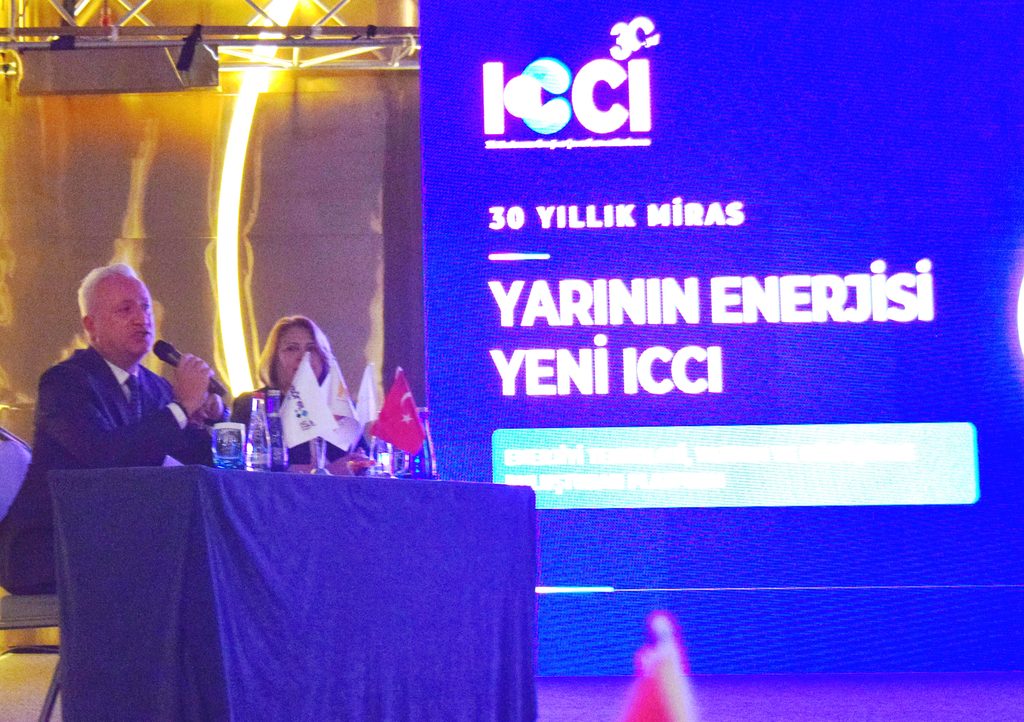
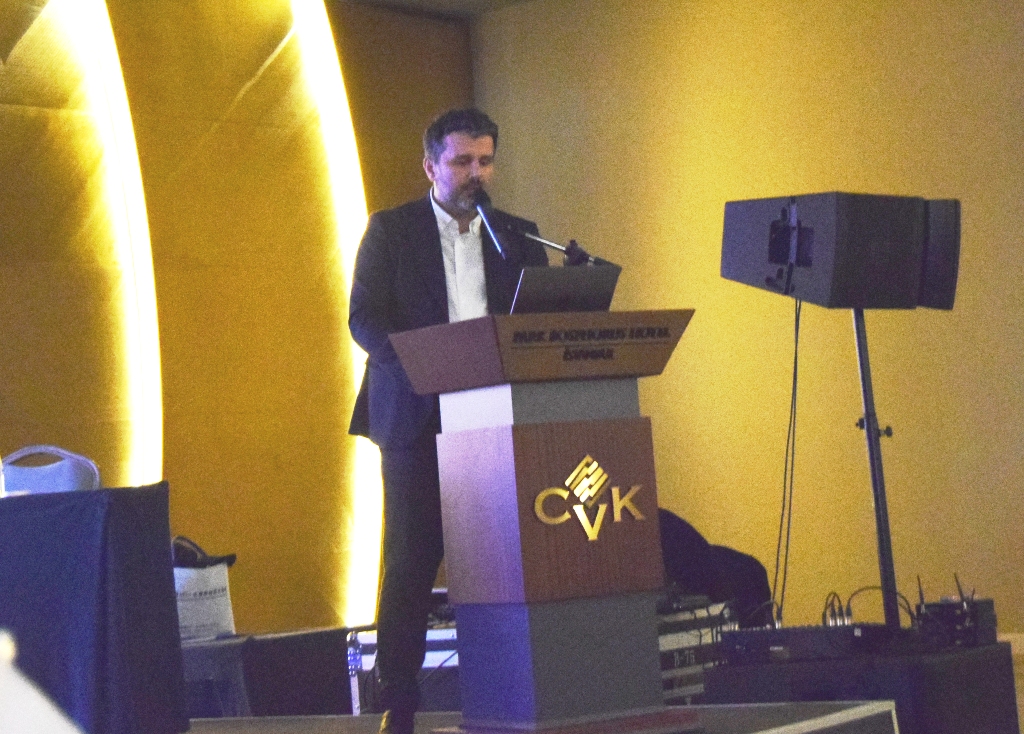
ICCI – Uluslararası Enerji ve Çevre Fuarı ve Konferansı’nın yeni dönem vizyonu, 14 Ekim 2026 Çarşamba günü İstanbul’daki CVK Park Bosphorus Hotel’de düzenlenen basın toplantısıyla tanıtıldı.
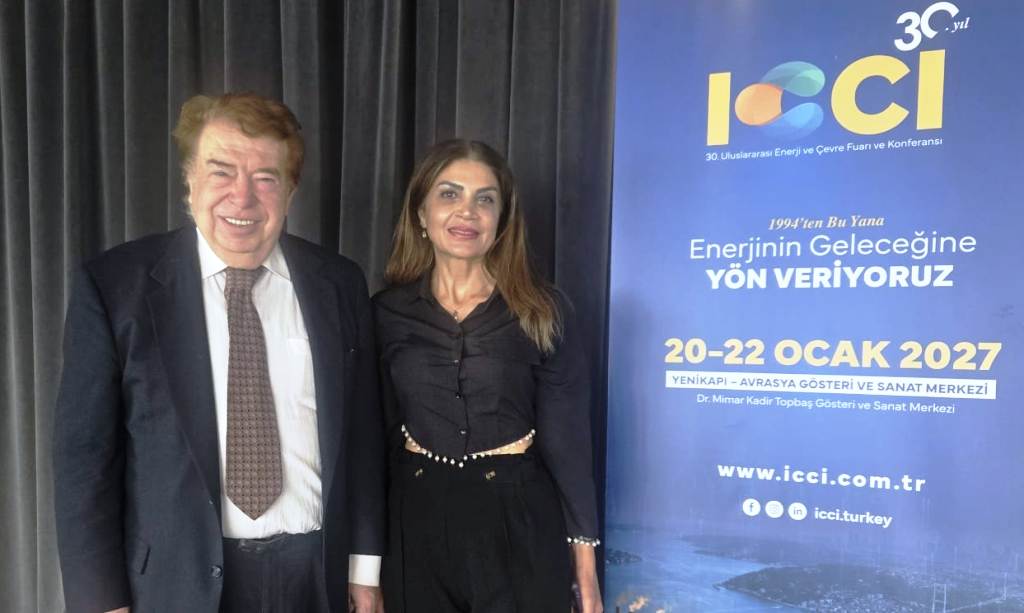
Türkiye’nin enerji sektöründeki önemli buluşma platformlarından ICCI’nin, 20-22 Ocak 2027 tarihlerinde İstanbul Yenikapı Dr. Mimar Kadir Topbaş Gösteri ve Sanat Merkezi’nde gerçekleştirileceği duyuruldu. Fuarın, elektrik iletim, dağıtım ve ekipman teknolojilerine odaklanan Electricity Eurasia ile eş zamanlı düzenlenmesi planlanıyor.
“Enerjiyi Şekillendirmek” mottosuyla gerçekleştirilecek organizasyon; enerji üreticilerini, teknoloji şirketlerini, yatırımcıları, kamu kurumlarını, sanayicileri ve girişimcileri ortak bir platformda buluşturmayı hedefliyor.
Gönül Akyıldız’dan güçlü organizasyon vizyonu
ICCI’nin yeni döneminin tanıtıldığı toplantıda, TG Expo Yönetim Kurulu Başkanı Gönül Akyıldız, sektör temsilcilerini bir araya getiren organizasyonun geleceğe yönelik vizyonunu paylaştı.
Enerji sektörünün farklı alanlarını buluşturan böylesine kapsamlı bir platformun geliştirilmesi; güçlü bir organizasyon yapısının, sektörün ihtiyaçlarını doğru analiz etmenin ve uluslararası iş birliklerine odaklanmanın önemini ortaya koyuyor.
Gönül Akyıldız ve TG Expo ekibinin, ICCI’nin 30 yıllık birikimini geleceğin enerji gündemiyle buluşturma hedefi doğrultusunda yürüttüğü çalışmalar, organizasyonun yeni dönem yaklaşımının önemli bir parçasını oluşturuyor.
Fuarın yalnızca sergilenen ürünlerden ibaret kalmayıp yatırım, bilgi paylaşımı, teknoloji ve iş geliştirme süreçlerine katkı sunması hedefleniyor.
Toplantıda ayrıca TG Expo Yönetim Kurulu Başkan Danışmanı Deniz Dikkaya ve ICCI Fuar Direktörü Hamit Özaras da yeni dönemin hedefleri ve konferans programının çerçevesi hakkında değerlendirmelerde bulundu.
Hamit Özaras: Enerjiyi teknoloji, yatırım ve dönüşümle buluşturan platform
ICCI Fuar Direktörü Hamit Özaras, konuşmasında organizasyonun 1994’ten bu yana enerji sektörünün buluşma noktalarından biri olduğunu belirterek 30 yıllık deneyimin geleceğin enerji sistemlerine taşınacağını vurguladı.
Özaras’ın aktardığı yeni dönem yaklaşımına göre ICCI; enerji üretiminden depolamaya, şebeke teknolojilerinden dijital çözümlere uzanan bütüncül bir ekosistem olarak konumlandırılıyor.
Yenilenebilir enerji üretimi, batarya teknolojileri, akıllı şebekeler ve yapay zekânın artık birbirinden bağımsız alanlar olarak değerlendirilemeyeceğine dikkat çekilen sunumda, enerji sektörünün bütün bileşenlerinin birlikte ele alınmasının önemi öne çıktı.
Yeni ICCI modelinin üç temel ayağı bulunuyor:
Fuar: Teknolojilerin, ürünlerin ve çözümlerin tanıtılması.
Konferans: Enerji politikalarının, stratejilerin ve sektörel gelişmelerin ele alınması.
İş ağı ve iş geliştirme: Üst düzey yöneticilerin, yatırımcıların, uluslararası delegasyonların ve sektör temsilcilerinin bir araya gelmesi.
Bu modelle, katılımcı sayısının yanı sıra kurulan iş bağlantılarının, yatırım görüşmelerinin ve ortaya çıkan somut sonuçların da başarı göstergesi olarak değerlendirilmesi amaçlanıyor.
Sekiz stratejik eksende enerji dönüşümü
ICCI 2027’nin fuar yapısı, enerji sektörünün farklı ihtiyaçlarını kapsayan sekiz stratejik eksen üzerine kurgulanıyor. Bunlar yenilenebilir enerji, enerji depolama, şebeke ve altyapı, hidrojen ve yeni yakıtlar, kojenerasyon ve dağıtık enerji, dijital enerji ve yapay zekâ, enerji verimliliği ile sürdürülebilirlik ve karbon başlıklarından oluşuyor.
Bu kapsamlı yapı sayesinde katılımcı firmaların kendi teknolojilerini ve çözümlerini ilgili alanlarda tanıtması, ziyaretçilerin ise ihtiyaç duydukları ürün ve hizmetlere daha kolay ulaşması hedefleniyor.
Özellikle enerji depolama, dijitalleşme, akıllı şebekeler ve yenilenebilir enerji teknolojileri, enerji sistemlerinin verimli ve sürdürülebilir hale getirilmesi bakımından öne çıkan alanlar arasında yer alıyor.
Üç gün, üç tema ve iki sahnede kapsamlı konferans programı
ICCI 2027 kapsamında üç gün boyunca, üç ana tema ve iki sahne etrafında şekillenen bir konferans programı planlanıyor. Ana sahnede stratejik başlıklar ele alınırken platform sahnesinde 12’den fazla teknik oturum düzenlenmesi öngörülüyor. Program boyunca Türkçe ve İngilizce simultane çeviri hizmeti sunulması da planlanıyor.
Konferans gündeminde öne çıkan başlıklar arasında şunlar bulunuyor:
Küresel enerji görünümü ve Türkiye’nin enerji vizyonu
2030 hedefleri, enerji arz güvenliği ve rekabetçilik
Yenilenebilir enerji ve enerji depolama yatırımları
Akıllı şebekeler ve altyapı teknolojileri
Yeşil hidrojen ve yeni yakıtlar
Yapay zekâ ve veri merkezlerinin artan enerji ihtiyacı
Enerji verimliliği, karbonsuzlaşma ve sürdürülebilirlik
Elektrikli mobilite ve yeni nesil enerji teknolojileri
Proje finansmanı ve uluslararası yatırım fırsatları
Programın ilk gününde küresel enerji gündemi, Türkiye’nin enerji vizyonu ve sektör liderlerinin değerlendirmelerinin öne çıkması planlanıyor. Konferans oturumları ile fuar ziyaretleri ve iş görüşmelerinin birbirini destekleyecek şekilde düzenlenmesi hedefleniyor.
Uluslararası katılım ve nitelikli iş bağlantıları hedefleniyor
ICCI’nin yeni döneminde uluslararası katılımın güçlendirilmesi, hedefli satın alma heyetleri ve delegasyon programlarıyla iş bağlantılarının artırılması amaçlanıyor. Kamu ve düzenleyici kurumların yanı sıra sanayi tesisleri, enerji yatırımcıları, mühendislik ve taahhüt şirketleri, lisanslı ve lisanssız enerji üreticileri ile uluslararası kuruluşların katılımı hedefleniyor.
Hamit Özaras’ın sunumunda, organizasyonun başarısının yalnızca fuar alanının büyüklüğü veya toplam ziyaretçi sayısıyla ölçülmeyeceği vurgulandı. Karar vericilerin katılımı, ikili iş görüşmeleri, yatırımcılarla proje buluşmaları, uluslararası konuşmacılar ve yeniden katılım oranları da yeni dönem performans ölçütleri arasında yer alacak.
Bu yaklaşım, ICCI’nin geleneksel fuar anlayışını aşarak enerji sektörünün iş geliştirme ve yatırım süreçlerine doğrudan katkı sağlayan bir platform olma hedefini yansıtıyor.
Türkiye’nin bölgesel enerji merkezi olma vizyonuna katkı
Türkiye’nin enerji alanındaki bölgesel rolünü güçlendirmek, yerli teknoloji kapasitesini geliştirmek ve uluslararası sermayeyi yeni projelerle buluşturmak, sektör açısından stratejik önem taşıyor.
ICCI 2027’nin; kamu, özel sektör, finans kuruluşları, teknoloji sağlayıcıları ve akademi arasında diyalog kurulmasına katkı sunması bekleniyor. Enerji güvenliği ile karbonsuzlaşma hedeflerinin birlikte ele alınacağı organizasyon, önümüzdeki dönemin yatırım eğilimlerini ve teknolojik gelişmelerini tartışmak için önemli bir buluşma zemini oluşturmayı amaçlıyor.
30 yıllık geçmişinden aldığı birikimi geleceğin enerji teknolojileriyle birleştirmeyi hedefleyen ICCI, 20-22 Ocak 2027’de İstanbul’da sektörün ulusal ve uluslararası aktörlerini buluşturmaya hazırlanıyor. Yeni dönem vizyonunun merkezinde ise daha nitelikli katılım, güçlü iş birlikleri, teknoloji odaklı dönüşüm ve somut yatırım fırsatları yer alıyor.
Dilek Erdoğan ile ICCI’nin Görsel Dünyası ve Reklamın Gücü Üzerine Özel Söyleşi
ICCI 2027 lansman toplantısının ardından, organizasyonun görsel iletişim çalışmalarında imzası bulunan İlgİ İletişim Reklam firmasının sahibi Dilek Erdoğan ile özel bir söyleşi gerçekleştirdik.
ICCI kapsamında kullanılan panoların, posterlerin ve LED ekran görsellerinin hazırlanmasında görev alan İlgİ İletişim Reklam, fuarın kurumsal kimliğinin ve görsel mesajlarının hedef kitleye aktarılmasında önemli bir rol üstleniyor.
Günümüzün rekabetçi iletişim dünyasında reklamcılık, yalnızca bir mesajı görünür kılmaktan ibaret değil. Markanın kimliğini doğru yansıtmak, görsel bütünlük oluşturmak ve hedef kitle üzerinde güçlü bir etki bırakmak; yaratıcılık, deneyim ve profesyonel uygulama gerektiriyor. Büyük ölçekli organizasyonlarda ise bu çalışmalar, etkinliğin genel görünümünü ve kurumsal algısını destekleyen temel unsurlar arasında yer alıyor.
ICCI gibi uluslararası ölçekteki bir enerji organizasyonunun görsel iletişim çalışmalarına katkı sunarak reklamcılığın etkinlik yönetimiyle kesişen önemli alanlarından birinde faaliyet gösteriyor.
Panolardan posterlere, LED ekran uygulamalarından kurumsal görsel sunumlara uzanan çalışmalar, organizasyonun mesajının farklı noktalarda tutarlı biçimde aktarılmasına hizmet ediyor.
Reklam sektöründe başarı; yalnızca yaratıcı fikirler üretmekle değil, bu fikirleri zamanında, özenle ve profesyonel bir uygulamayla hayata geçirmekle de ölçülüyor. Bu açıdan, böylesine kapsamlı bir organizasyonun görsel iletişim hazırlıklarında görev almak, planlama ve koordinasyonun önemini bir kez daha ortaya koyuyor.
Dilek Erdoğan ile gerçekleştirdiğimiz özel söyleşide, ICCI organizasyonunun görsel iletişim boyutunu ve reklam çalışmalarının büyük ölçekli etkinliklerdeki önemini ele aldık.
ICCI lansmanının ardından reklam ve iletişim sektörünün mutfağına uzanan bu söyleşi, organizasyonların görünür yüzünü hazırlayan profesyonel emeğe de dikkat çekti.
yilmazparlar@yahoo.com
ICCI 2027 Launches in Istanbul: Shaping the Future of Energy
A 30-Year Energy Platform Bringing Technology, Investment and Transformation Together
Energy is not only a cornerstone of economic growth but also a fundamental driver of industrial competitiveness, technological progress, national security and a sustainable future. The transformation spanning renewable energy, energy storage, smart grids and artificial intelligence is reshaping national energy policies and investment priorities. Strengthening Türkiye’s position in the international energy sector, developing domestic technologies and creating new investment opportunities have therefore become increasingly important. ICCI – International Energy and Environment Fair and Conference is preparing to bring key industry stakeholders together, combining its 30-year legacy with a forward-looking vision for the energy sector.
ICCI Announces Its New Vision for Its 30th Anniversary
The new vision of ICCI – International Energy and Environment Fair and Conference was unveiled at a press meeting held on Wednesday, 14 October 2026, at CVK Park Bosphorus Hotel in Istanbul.
One of Türkiye’s major energy industry platforms, ICCI is scheduled to take place on 20–22 January 2027 at the Dr. Mimar Kadir Topbaş Performance and Arts Center in Yenikapı, Istanbul. The event is planned to run concurrently with Electricity Eurasia, which focuses on electricity transmission, distribution and equipment technologies.
Under the motto “Shaping Energy,” the event aims to bring energy producers, technology companies, investors, public institutions, industrialists and entrepreneurs together on a shared platform.
Gönül Akyıldız Presents a Strong Vision for the Event
At the launch meeting, Gönül Akyıldız, Chairwoman of the Board of TG Expo, shared the event’s forward-looking vision with industry representatives.
Developing a comprehensive platform that brings together different segments of the energy industry highlights the importance of strong organizational capabilities, a clear understanding of sector needs and a commitment to international cooperation.
The work led by Gönül Akyıldız and the TG Expo team to connect ICCI’s 30-year legacy with the future of energy is an important part of the event’s new direction. Beyond showcasing products, the fair aims to contribute to investment, knowledge sharing, technological development and business growth.
TG Expo Chairman’s Advisor Deniz Dikkaya and ICCI Fair Director Hamit Özaras also shared their perspectives on the event’s objectives and conference programme.
Hamit Özaras: A Platform Connecting Energy with Technology, Investment and Transformation
ICCI Fair Director Hamit Özaras noted that since 1994, the event has served as a meeting point for the energy industry. He emphasized the importance of carrying this 30-year legacy into the next generation of energy systems.
Under the new approach, ICCI is positioned as an integrated ecosystem spanning energy generation, storage, grid technologies and digital solutions.
The presentation highlighted the growing interdependence of renewable energy generation, battery technologies, smart grids and artificial intelligence, emphasizing the need to consider all components of the energy sector together.
The new ICCI model rests on three main pillars:
Exhibition: Showcasing technologies, products and solutions.
Conference: Addressing energy policies, strategies and industry developments.
Networking and business development: Connecting senior executives, investors, international delegations and industry professionals.
Under this model, success will be measured not only by attendance but also by the quality of business connections, investment discussions and tangible outcomes.
Energy Transformation Across Eight Strategic Areas
ICCI 2027 is structured around eight strategic areas covering the energy industry’s diverse needs: renewable energy; energy storage; grids and infrastructure; hydrogen and new fuels; cogeneration and distributed energy; digital energy and artificial intelligence; energy efficiency; and sustainability and carbon-related solutions.
This structure aims to help exhibitors present their technologies and solutions to relevant audiences while enabling visitors to identify the products and services they need more easily.
Energy storage, digitalization, smart grids and renewable energy technologies are among the key areas expected to contribute to more efficient and sustainable energy systems.
Three Days, Three Themes and Two Stages
ICCI 2027 is planned to feature a three-day conference programme organized around three main themes and two stages. Strategic discussions will take place on the main stage, while the platform stage is expected to host more than 12 technical sessions. Simultaneous Turkish-English interpretation is also planned throughout the programme.
Key topics are expected to include:
The global energy outlook and Türkiye’s energy vision
2030 targets, energy security of supply and competitiveness
Renewable energy and energy storage investments
Smart grids and infrastructure technologies
Green hydrogen and new fuels
Artificial intelligence and the growing energy demand of data centres
Energy efficiency, decarbonization and sustainability
Electric mobility and next-generation energy technologies
Project financing and international investment opportunities
The first day is expected to focus on the global energy landscape, Türkiye’s energy vision and perspectives from industry leaders. Conference sessions, exhibition visits and business meetings are planned to complement one another.
International Participation and High-Value Business Connections
ICCI’s new direction aims to strengthen international participation and expand business opportunities through targeted hosted-buyer programmes and international delegations. The event seeks to attract public and regulatory institutions, industrial facilities, energy investors, engineering and contracting companies, licensed and unlicensed energy producers, and international organizations.
Özaras emphasized that the event’s success would not be measured solely by exhibition space or total visitor numbers. Decision-maker participation, B2B meetings, investor-project matchmaking, international speakers and returning participants are also expected to serve as performance indicators.
This approach reflects ICCI’s ambition to move beyond the traditional trade fair model and become a platform that directly supports business development and investment across the energy sector.
Supporting Türkiye’s Vision as a Regional Energy Hub
Strengthening Türkiye’s regional role in energy, developing domestic technological capabilities and connecting international capital with new projects are strategically important objectives.
ICCI 2027 is expected to encourage dialogue among public institutions, private companies, financial organizations, technology providers and academia. By bringing energy security and decarbonization into the same discussion, the event aims to provide a meeting ground for exploring future investment trends and technological developments.
Building on three decades of experience, ICCI is preparing to bring national and international energy stakeholders together in Istanbul on 20–22 January 2027. Its new vision places particular emphasis on high-quality participation, stronger partnerships, technology-driven transformation and tangible investment opportunities.
Dilek Erdoğan on ICCI’s Visual Identity and the Power of Advertising
Following the ICCI 2027 launch meeting, we conducted an exclusive interview with Dilek Erdoğan, owner of İlgİ İletişim Reklam, the advertising company involved in the event’s visual communication work.
İlgİ İletişim Reklam contributed to the preparation of the panels, posters and LED screen visuals used throughout ICCI. These materials play an important role in presenting the event’s corporate identity and communicating its messages to attendees.
In today’s competitive communications landscape, advertising involves far more than simply making a message visible. Reflecting a brand’s identity accurately, creating visual consistency and leaving a strong impression on the target audience require creativity, experience and professional execution. At large-scale events, these elements also help shape the overall appearance and corporate perception of the organization.
Under Dilek Erdoğan’s leadership, İlgİ İletişim Reklam contributed to the visual communications of an international-scale energy event such as ICCI. From display panels and posters to LED screen applications and corporate visuals, these materials help communicate the event’s message consistently across different spaces.
Success in advertising is measured not only by creative ideas but also by the ability to turn them into carefully planned, timely and professionally executed results. Delivering visual communication materials for an event of this scale highlights the importance of coordination, attention to detail and reliable implementation.
In our exclusive interview with Dilek Erdoğan, we discussed the visual communication dimension of ICCI and the importance of advertising in large-scale events.
The conversation offered a closer look at the professionals working behind the scenes to create the visual identity of major organizations, recognizing the expertise and effort that help bring an event’s public-facing image to life.
Şekib Avdagiç Yeni Ufuklar ve 2026 Seçimleri İçin Sahada
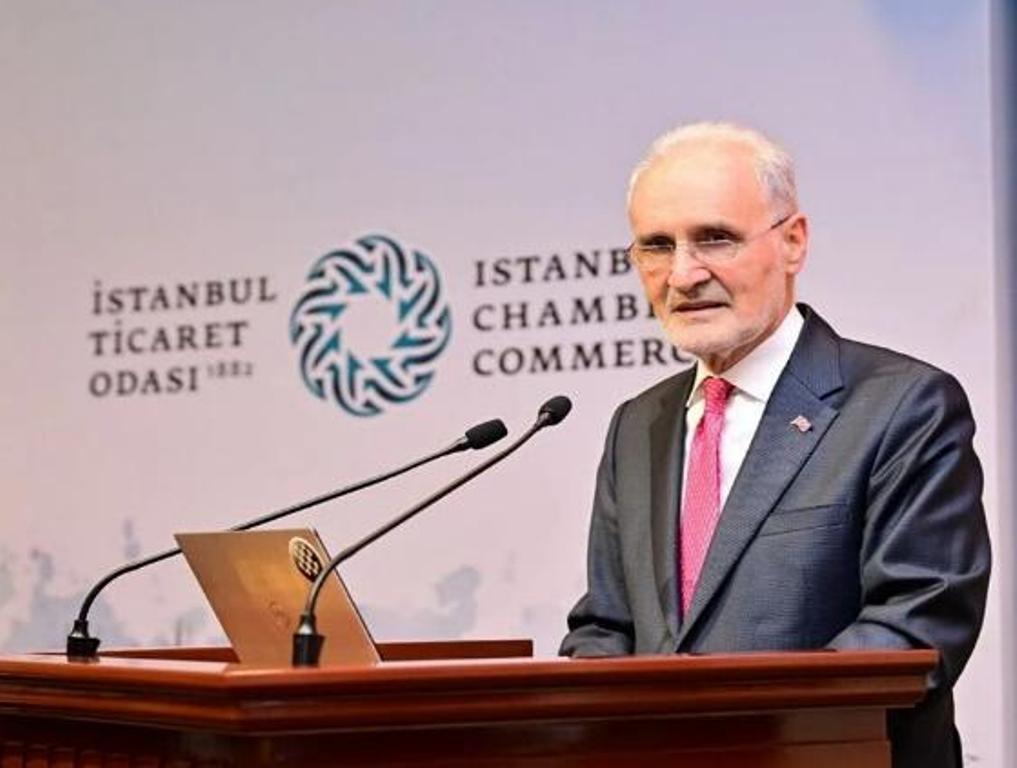
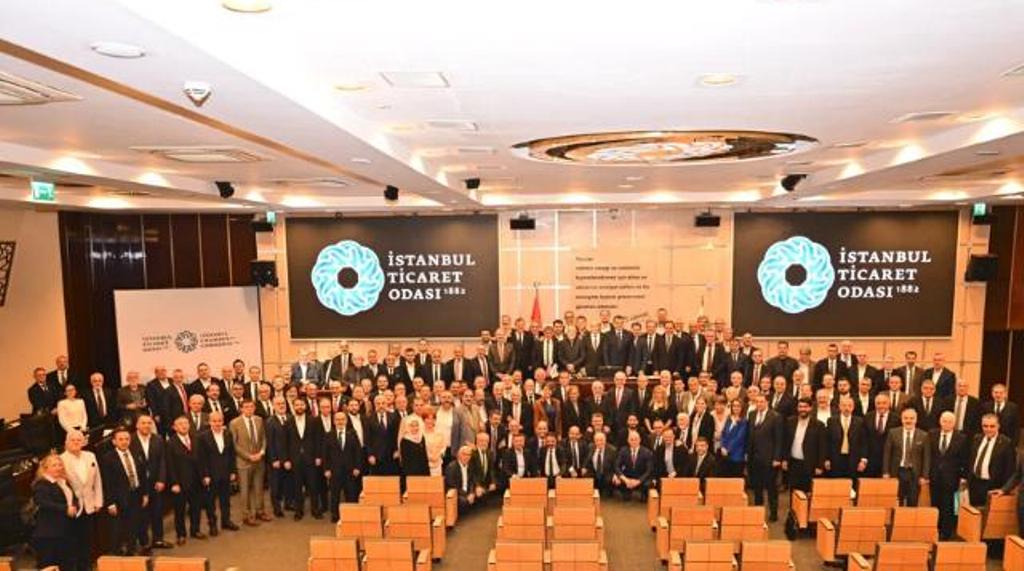
İstanbul Ticaret Odası (İTO) Başkanı Şekib Avdagiç, 21. dönemin son Meclis Toplantısı’nda iş dünyasına seslenerek tarihi bir dönemin perdesini kapattı. Oda'yı teknoloji, restorasyon ve küresel ticaret hamleleriyle yepyeni bir ufka taşıdıklarını belirten Avdagiç, 27 Ekim 2026 Salı günü İstanbul Fuar Merkezi’nde (İFM) gerçekleştirilecek seçimlerde hizmet çıtasını daha da yükseğe çıkarmak adına ekibiyle birlikte yeniden aday olduğunu resmen ilan etti.
Teknoloji, Gastronomi ve Tarihi Miras Bir Arada
Görev süresi boyunca üye firmaların rekabet gücünü artırmaya odaklandıklarını vurgulayan Avdagiç; Teknopark İstanbul, Bilgiyi Ticarileştirme Merkezi (BTM) ve SoftITo Akademi ile devasa bir girişimcilik ekosistemi kurduklarını hatırlattı. Eminönü’ndeki Liman Han ve Taş Han gibi tarihi yapıların restorasyonundan, İFM'de başlatılan 40 bin metrekarelik yeni fuar alanı inşaatına kadar çok sayıda vizyon projeye imza attıklarını belirtti. Ayrıca her yıl ortalama 40 uluslararası fuara milli katılım sağlandığını ve İstanbul'un turizmde ziyaretçi rekoru kırmasına katkıda bulunduklarını ekledi.
Ekonomik Dengeler ve Bakan Bolat'a Destek
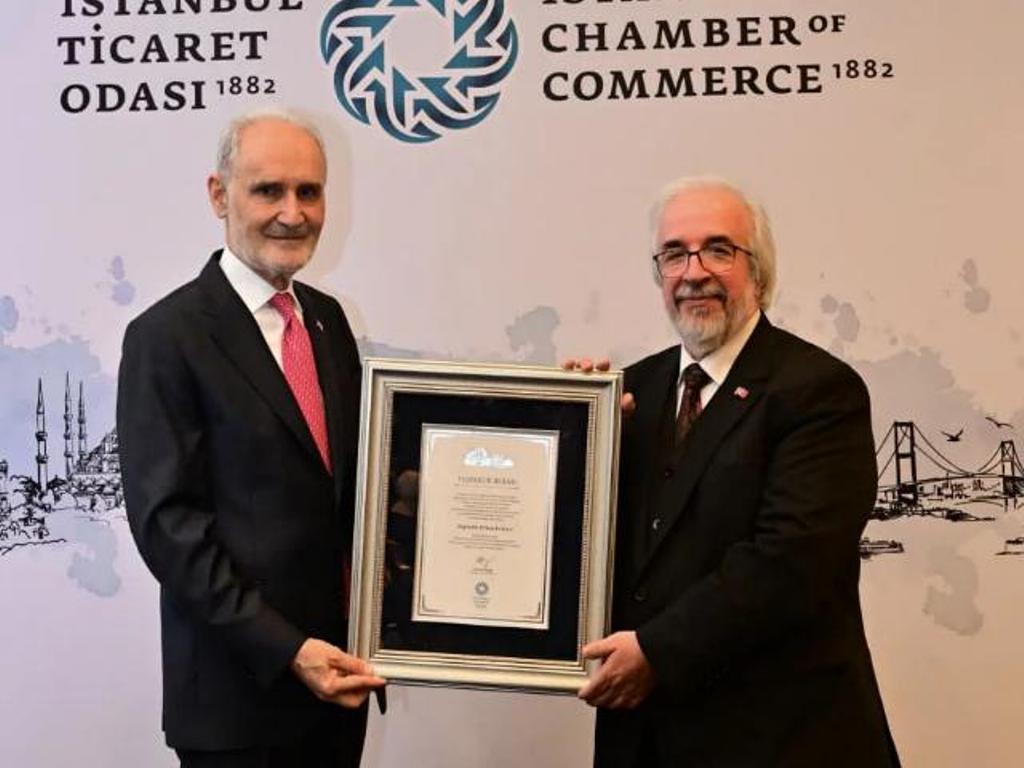
Türkiye ekonomisindeki gelişmelere de değinen İTO Başkanı, 2026'nın son çeyreğinde ana sınavın sadece dezenflasyon olmadığını, enflasyon düşerken üretim, istihdam ve ihracat kapasitesinin de titizlikle korunması gerektiğini vurguladı. Konuşmasında fon soruşturmaları üzerinden Ticaret Bakanı Prof. Dr. Ömer Bolat’a yönelik yürütülen karalama kampanyalarına da sert tepki gösteren Avdagiç, "Bakanımızla ilgili yapılan tezviratı şiddetle kınıyorum" dedi. Toplantı sonunda, yeni dönemde aday olmayacağını açıklayan Meclis Başkanı Dr. Erhan Erken’e hizmetlerinden ötürü teşekkür beratı takdim edildi.
yilmazparlar@yahoo.com
ITO October 2026 Assembly Meeting
.A Visionary Leap at ITO
President Sekib Avdagic Seeks Re-Election for the 2026 Term
The President of the Istanbul Chamber of Commerce (ITO), Sekib Avdagic, addressed the business world during the final Assembly Meeting of the 21st term, marking the end of a highly productive era. Stating that they have elevated ITO to brand-new horizons through technology, restoration, and global trade initiatives, Avdagic officially announced his candidacy for the upcoming elections to be held onTuesday, October 27, 2026, at the Istanbul Expo Center (IFM).
A Powerful Ecosystem of Technology and Heritage
Highlighting their core focus on strengthening member companies and boosting global competitiveness, Avdagic recalled the establishment of a massive entrepreneurship network featuring Teknopark Istanbul, the Commercialization of Information Center (BTM), and SoftITo Academy. Under his leadership, ITO successfully restored historical landmarks such as Liman Han and Tas Han in Eminonu, initiated a new 40,000-square-meter exhibition space at IFM, and organized national pavilions at an average of 40 international trade fairs annually, pushing Istanbul to break all-time tourism records.
Economic Strategies and Strong Solidarity
Evaluating the dynamics of the Turkish economy, the ITO President emphasized that the ultimate challenge in the final quarter of 2026 is not merely reducing inflation, but simultaneously protecting production, employment, and export capacities. Avdagic also strongly condemned the smear campaigns targeted at the Minister of Trade, Prof. Dr. Omer Bolat, regarding recent fund investigations, calling the rumors completely unacceptable. At the conclusion of the event, a plaque of appreciation was presented to Assembly President Dr. Erhan Erken, who announced that he will pass the torch to the younger generation and will not run in the next term.